

Our Blogs
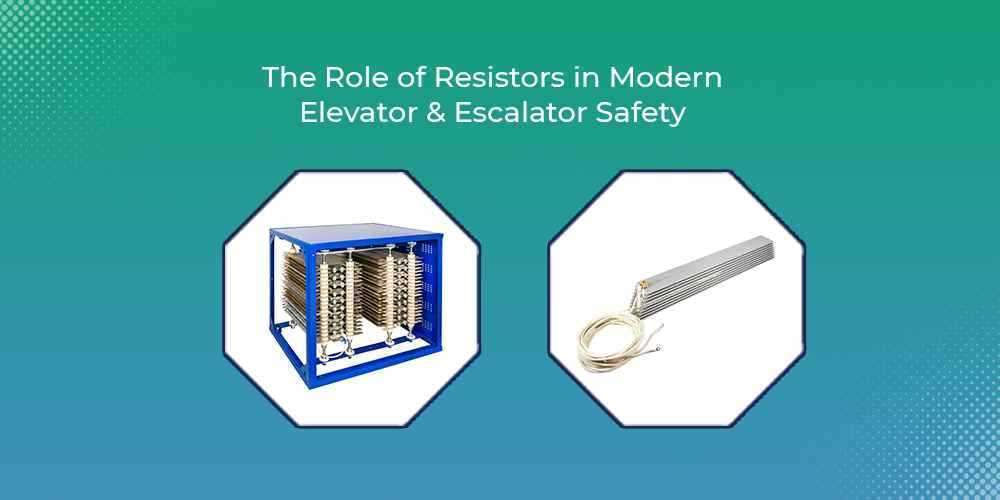
The Role of Resistors in Modern Elevator & Escalator Safety
Reliable braking systems in vertical transportation rely on high-performance components to manage kinetic energy. This blog explores how Aluminium Encased Dynamic Braking Resistors and Dynamic Braking Punched Grid Resistor solutions provide the stability and safety required for modern elevators and escalators.
The most effective way to manage regenerative energy in elevators is to use dynamic braking resistors that convert excess kinetic energy into heat, preventing overvoltage in VFDs and ensuring smooth, controlled stops.
Ensuring Smooth Vertical Motion
Vertical transportation systems like elevators and escalators face unique challenges during operation. When an elevator car descends or slows down, the motor often acts as a generator. This process creates a surplus of kinetic energy that, if left unmanaged, can lead to overspeed conditions or serious damage to the drive electronics. To maintain passenger safety and operational integrity, this energy must be dissipated quickly and reliably.
The primary mechanism for this energy management is the use of high-quality resistors. By integrating an Aluminium Encased Dynamic Braking Resistors setup or a Dynamic Braking Punched Grid Resistor into the system, operators can ensure that excess energy is converted into thermal energy and safely released into the environment. This prevents the Variable Frequency Drive (VFD) from facing overvoltage trips, which would otherwise lead to abrupt stops and mechanical stress.
Why Choose Aluminium Encased Dynamic Braking Resistors?
For many elevator applications, space and heat management are top priorities. The Aluminium Encased Dynamic Braking Resistors are specifically designed for these demanding environments. The aluminium housing provides a robust protective shell while acting as a highly efficient heat sink.
Key Technical Specifications:
- Wattage Range: Available from 60 Watts to 4000 Watts.
- Insulation Resistance: 1000 Mega Ohms at 500V DC.
- Dielectric Strength: 2KV for 1 minute between terminal and body.
- Temperature Coefficient: +/- 200ppm/°C.
- Overload Capacity: Can handle 10 times the rated wattage for 5 seconds.
- Mounting: Heat sink panel mounting or fly leads for versatile installation.
These resistors are favored for their compact construction and high stability. Their ability to withstand short-term overloads makes them a dependable choice for the frequent start-stop cycles found in residential and commercial buildings.
The Strength of Dynamic Braking Punched Grid Resistor
In scenarios involving heavy-duty escalators or high-capacity freight elevators, the power demands exceed the capabilities of standard wire-wound components. This is where the Dynamic Braking Punched Grid Resistor excels. These units are built to handle massive energy loads while maintaining structural integrity under physical stress.
Key Technical Specifications:
- Material: Grids punched from corrosion-resisting Nickel Chromium alloy sheet steels.
- Construction: Pressed and reinforced design for high rigidity.
- Durability: Completely shake-proof and fracture-proof, making them immune to high vibrations.
- Thermal Efficiency: Large surface area allows for high heat emission and rapid cooling.
- Application Compatibility: Ideal for high-power resistor load banks and motor regulation.
The inherent strength of the steel used in a Dynamic Braking Punched Grid Resistor ensures it can operate in harsh industrial settings without failing. Whether it is a busy subway escalator or a heavy-duty lift, these resistors provide the high-power density needed for continuous operation.
Enhancing Equipment Longevity and Efficiency
Using the right Aluminium Encased Dynamic Braking Resistors or a Dynamic Braking Punched Grid Resistor does more than just stop a motor; it protects the entire investment. By preventing energy from being wasted as heat within the motor itself, these components reduce the overall thermal load on the motor windings. This translates to less wear and tear and a significantly longer lifespan for the machinery.
Properly specified resistors also contribute to energy efficiency. While the resistors dissipate energy as heat, they allow the VFD to operate within its optimal parameters, reducing the risk of costly electronic failures. For elevators and escalators, this means fewer maintenance calls and a more reliable service for passengers.
Selecting the Right Resistor for Your System
Choosing between an Aluminium Encased Dynamic Braking Resistors model and a Dynamic Braking Punched Grid Resistor depends on the specific power requirements and environmental conditions of the installation. High-rise elevators with rapid cycles often benefit from the compact heat dissipation of aluminium-housed units, while industrial-scale systems require the ruggedness of punched grids.
Cermet Resistronics offers a wide range of these components, ensuring that every vertical transport system has the exact braking support it needs. By focusing on precision engineering and durable materials, these resistors help maintain the delicate balance between speed, safety, and system stability.
Frequently Asked Questions
- How do Aluminium Encased Dynamic Braking Resistors handle heat?
These resistors use an aluminium chassis that acts as a heat sink, allowing for efficient thermal dissipation. They are designed to withstand high temperatures and can manage short-term overloads up to 10 times their rated wattage, ensuring they stay cool during frequent braking.
- When is a Dynamic Braking Punched Grid Resistor better than a wire-wound resistor?
A Dynamic Braking Punched Grid Resistor is preferred for high-power applications where vibration resistance and high energy absorption are critical. Their reinforced steel construction makes them fracture-proof and ideal for heavy-duty industrial or commercial escalators.
- Can these resistors be used in outdoor escalator installations?
Yes, both Aluminium Encased Dynamic Braking Resistors and Dynamic Braking Punched Grid Resistor solutions are built with durable, corrosion-resistant materials. The aluminium housing and nickel-chromium alloys provide excellent protection against environmental factors, making them suitable for various settings.