
Our Blogs
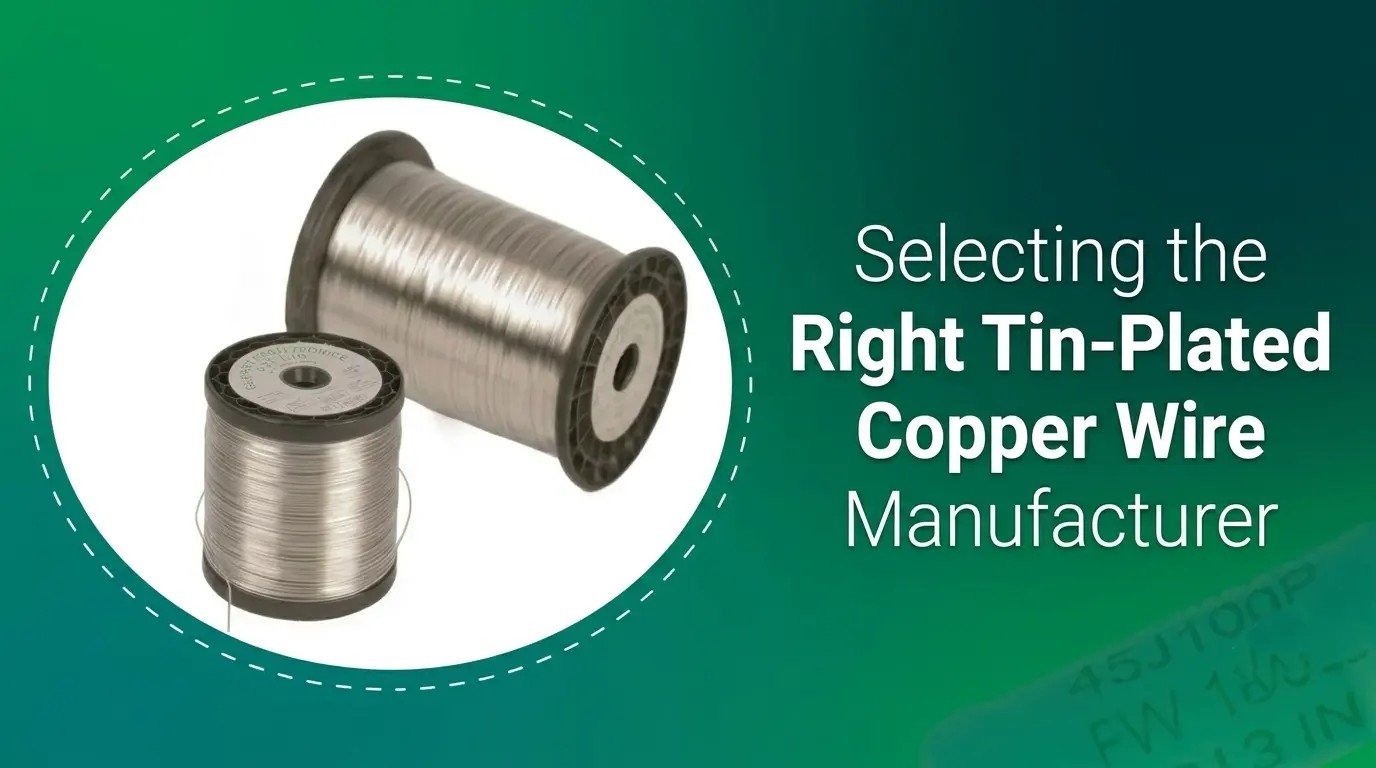
Selecting the Right Tin-Plated Copper Wire Manufacturer
Bare copper conductors degrade rapidly when exposed to heat, humidity, and airborne contaminants. Applying a hot-dip tin coating creates a physical barrier that stops tarnish while preserving conductivity. Choosing an established tin-plated copper wire manufacturer ensures consistent coating thickness, reliable solderability, and heat tolerance up to 300°C for demanding electronic applications. Using hot-dip tin-coated copper wire prevents galvanic corrosion and oxidation at high operating temperatures, ensuring reliable electrical connectivity and reduced assembly line rework.
Selecting High-Grade Tin-Plated Copper Wire for Demanding Electronics
Industrial control panels, power supplies, and auto electronics require internal wiring capable of handling operational stress without degrading over time. Raw copper provides strong electrical conductivity, but untreated copper oxidizes when exposed to oxygen, humidity, and industrial fumes. This surface oxidation increases contact resistance, complicates soldering processes, and causes intermittent component failures.
Working with an experienced tin plated copper wire manufacturer solves this issue by applying a protective layer over the bare copper core. The tin coating acts as a shield against oxidation, extending conductor life and supporting stable solder joints in high-stress hardware.
Coating copper conductors with a uniform tin layer gives circuit designers and assembly technicians several technical advantages:
- Corrosion Resistance: The hot-dip tin layer acts as a physical barrier, stopping atmospheric moisture and oxygen from reaching the underlying copper core.
- Higher Thermal Endurance: Quality conductors maintain physical integrity up to 300°C, making them suitable for severe thermal environments such as power electronics and battery chargers.
- Consistent Solderability: A smooth 2.5 to 6-micron tin layer provides rapid wetting during automated and hand-soldering operations, cutting down cold joints and dry solder defects.
- Environmental Safety: Compliance with RoHS standards keeps toxic substances out of manufacturing cycles, fulfilling international export and safety mandates.
Common Industrial Applications
Selecting vetted tin-plated copper wire suppliers in India gives engineering teams components that perform reliably across a range of equipment:
- Power Electronics & Energy Meters: Keeps terminal connections stable under continuous current loading and temperature cycles.
- Automotive Electronics & BLDC Motors: Resists vibration, thermal stress, and atmospheric moisture inside motor housings and control modules.
- Industrial Drives & VFDs: Maintains strong connections inside dynamic braking assemblies and discharging systems where operating temperatures rise quickly.
- Lighting & Power Capacitors: Provides reliable lead wire attachments in compact fixtures where space is tight and heat builds up.
Evaluating Manufacturing Standards
Not all coated wire performs identically under field conditions. When comparing tin plated copper wire manufacturers in India, review these specific engineering points before ordering:
Coating Uniformity and Thickness Range
A uniform coating thickness between 2.5 and 6 microns prevents thin spots where oxidation could start. Uneven coatings lead to spotty soldering and premature joint degradation under thermal cycling.
Spool Format and Production Integration
Supplying wire on standard 10kg spools protects the conductor against deformation during shipping while supporting automated wire-cutting and stripping machinery on assembly floors.
Environmental Compliance Verification
Insist on full RoHS compliance documentation. RoHS certification confirms the absence of hazardous lead impurities in the tin bath, protecting end products sold into regulated domestic and export markets.
Summary Table: Bare Copper vs. Hot-Dip Tin Plated Copper Wire
| Performance Criteria | Bare Copper Conductor | Hot-Dip Tin Plated Copper Wire |
| Oxidation Resistance | Poor (forms oxide film quickly) | High (protected by tin barrier) |
| Operating Temperature | Standard ambient levels | Rated up to 300°C |
| Shelf-Life Solderability | Decreases over time | Retains strong solder wetting |
| Corrosion Exposure | Vulnerable to sulfur and moisture | Resists atmospheric contaminants |
Frequently Asked Questions (FAQs)
1. Why is tin plating preferred over bare copper wire in electronic assemblies?
Tin plating stops bare copper from oxidizing when exposed to moisture and air. The protective tin coating maintains strong surface solderability and prevents increased contact resistance over long operating periods.
2. What operating temperature limit can high-grade tin-plated copper wire handle?
Hot-dip tin-plated copper wire designed for demanding industrial applications handles operating temperatures up to 300°C, maintaining conductor stability in high-heat electronics.
3. Why is RoHS compliance important when sourcing tin-plated copper wire?
RoHS compliance confirms that the tin coating process remains free of lead and other restricted hazardous substances, ensuring safety for workers and meeting global environmental requirements.
Contact our technical team today to request a custom quote and discover how our high-grade tin-plated copper wire can enhance your next production run!